Timeline of our impact

More than 30 years of pioneering research transforming the future of childhood cancer.

For more than 30 years, The Kids' Cancer Project has invested in pioneering research that is transforming the future of childhood cancer.

From funding bold scientific discoveries and supporting the next generation of researchers to driving national collaborations and precision medicine, every investment has helped accelerate progress towards better treatments, higher survival rates and improved quality of life.

Explore the milestones that have shaped childhood cancer research – and the role your support has played in making them possible.
Milestones in childhood cancer research

2025 - Record investment in childhood cancer

The Australian Government commits $112 million to expand the ZERO Childhood Cancer Precision Medicine Program, building on years of investment from The Kids' Cancer Project and partners to deliver more personalised treatments for children nationwide.
2025 - Childhood Cancer Survival at 86%

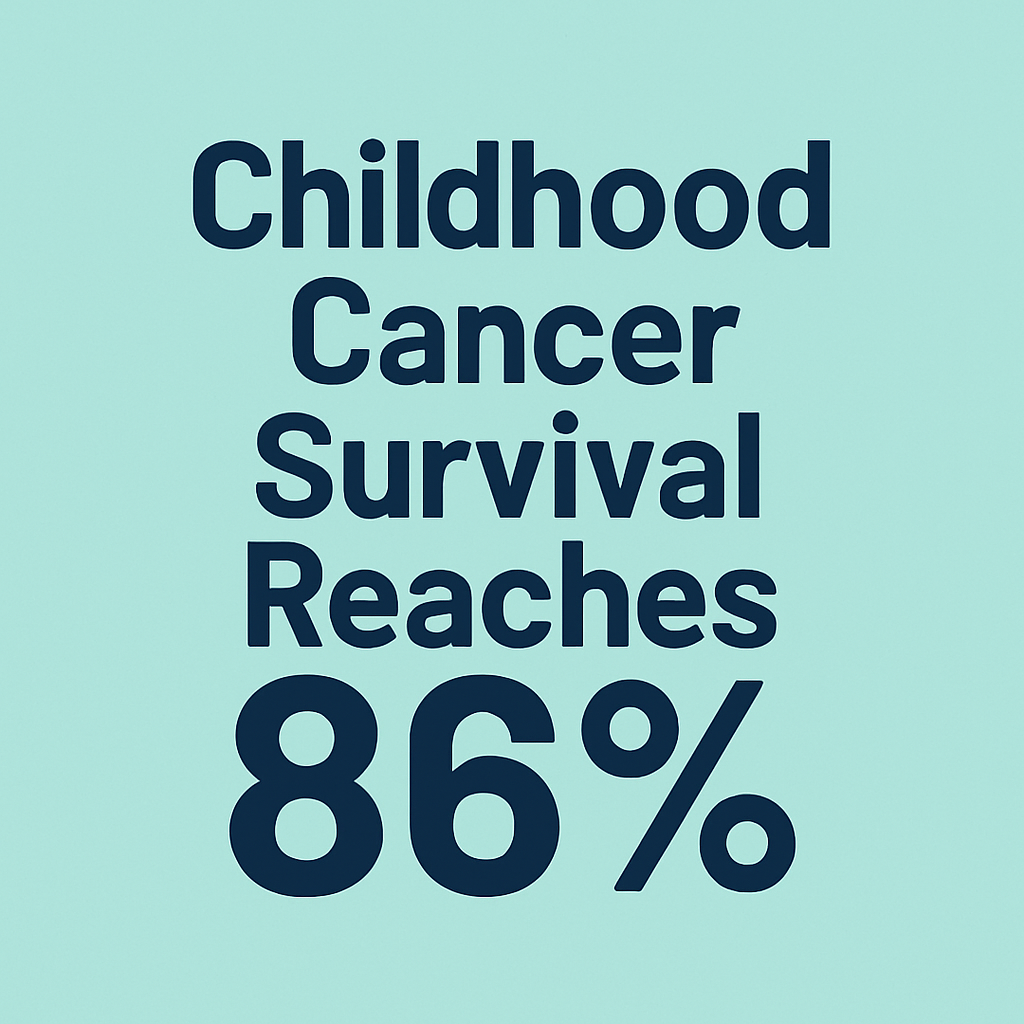
Childhood cancer survival has increased to 87%, reflecting decades of investment in research, clinical trials and improved models of care. The Kids' Cancer Project continues to fund innovative research aimed at improving survival while reducing long-term side effects.

2023 - Col Reynolds Fellowships Announced

The Kids' Cancer Project commits $7.6 million to establish the Col Reynolds Fellowships, supporting Australia's brightest emerging childhood cancer researchers and helping secure the future of research leadership and innovation.

2023 - Breakthrough in DIPG Research

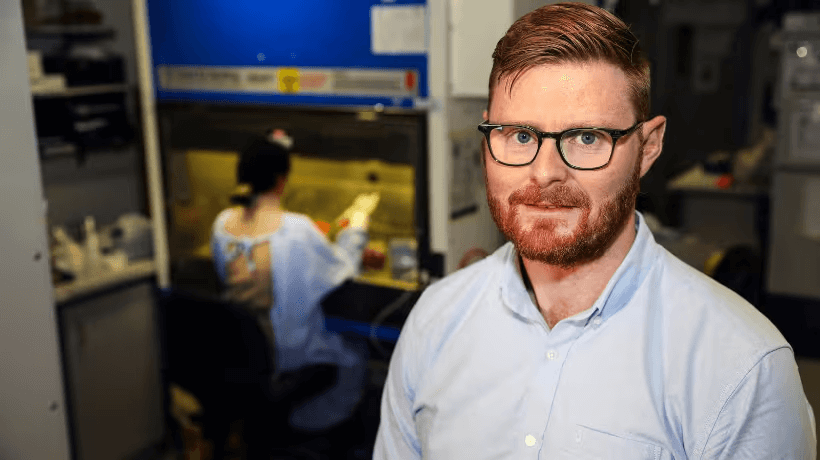
Research funded by The Kids' Cancer Project identifies promising therapeutic targets for Diffuse Intrinsic Pontine Glioma (DIPG), one of the deadliest childhood brain cancers, creating new opportunities for future treatments.

2021 - CAR T-cell therapy advances

Years of research investment help expand CAR T-cell therapy beyond blood cancers into clinical trials targeting solid childhood tumours, offering hope for children with cancers previously considered untreatable.
2020 - ZERO Program expands nationally

Federal investment enables the nationally recognised ZERO Childhood Cancer Program to expand precision medicine, giving more children across Australia access to genomic testing and personalised treatment recommendations.

2019 - Artificial Intelligence accelerates discovery

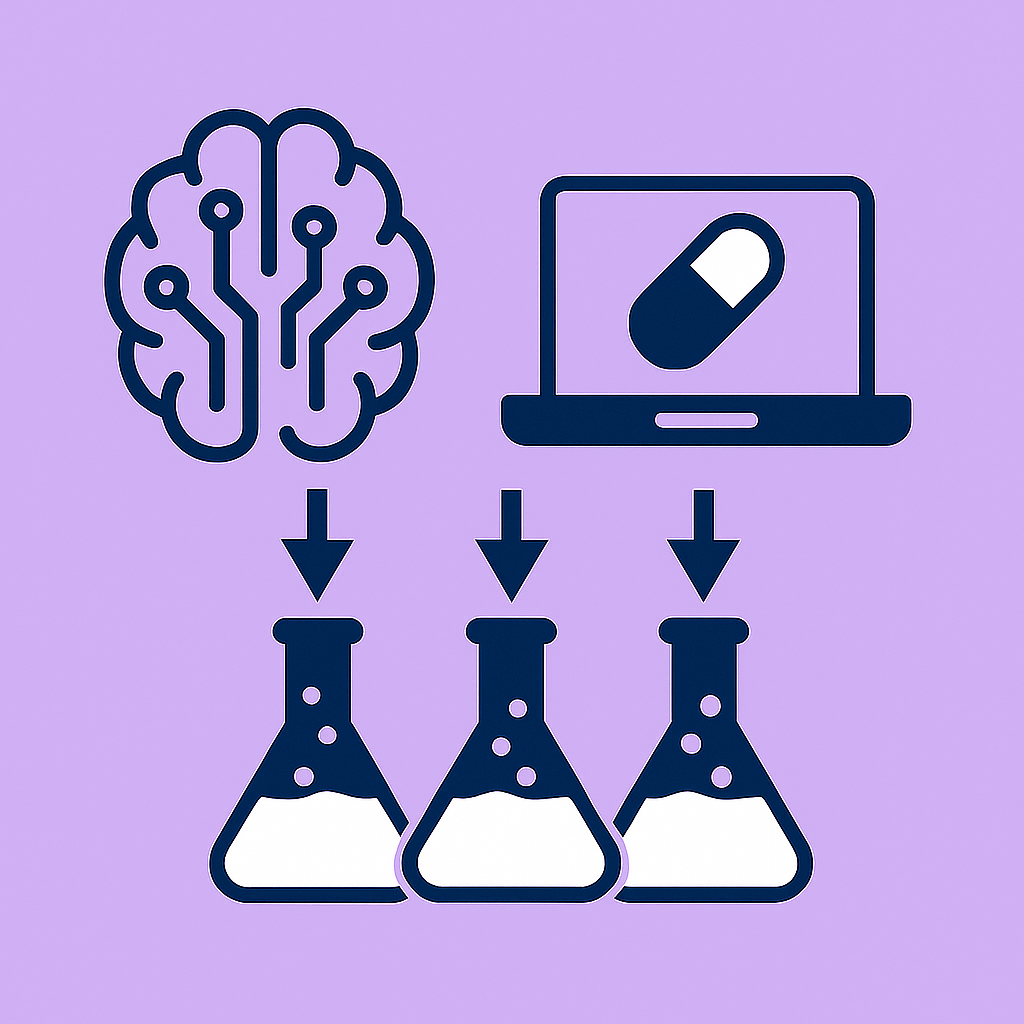
Researchers begin harnessing artificial intelligence and complex datasets to identify new drug targets, improve diagnosis and accelerate the development of personalised childhood cancer treatments.

2017 - Brain Cancer Mission partnership

The Kids' Cancer Project becomes a funding partner in Australia's Brain Cancer Mission, strengthening national collaboration to accelerate research into paediatric brain cancers and improve outcomes for children.

2016 - Expanding access to clinical trials

Partnership with ANZCHOG strengthens Australia's clinical trials network, giving more children access to leading-edge treatments regardless of where they live.

2015 - First CAR-T Trial for Kids

Australia’s first CAR-T trial for paediatric leukaemia begins at the Royal Children’s Hospital, Melbourne. CAR-T cells are genetically modified T cells, designed to recognise and attack cancer cells by binding to a leukaemia cell and activating its immune response, eventually destroying the cancer cell.
Meanwhile, the Zero Childhood Cancer (ZERO) Program is launched in Australia to develop precision medicine approaches for high-risk childhood cancers. Trials begin a year later, made possible by an initial investment of $200,000 from The Kids’ Cancer Project, which allowed ZERO to demonstrate its capabilities to larger funding bodies.

2014 - Co-Funding Partnership with Cancer Australia

The Kids’ Cancer Project announces a co-funding partnership with Cancer Australia (pdCCRS), with the aim of funding priority research areas for childhood cancer. The partnership sees 19 projects co-funded over nine years, totalling $3.1million.
Co-funding becomes commonplace for The Kids’ Cancer Project in the years that follow, as it allows the dollar to go further, allowing the charity to invest in additional projects.

2012 - Name Change to Kids’ Cancer Project

The Oncology Children’s Foundation formally changes its name to The Kids’ Cancer Project.

2011 - CAR T-Cell Research Funded

The Oncology Children’s Foundation (now known as The Kids’ Cancer Project) announces funding for two CAR T-Cell and gene therapy programs. The world’s first clinical trials of CAR T-Cell therapy for relapsed patients of Acute Lymphoblastic Leukaemia begin a year later.

2010 - New Research Consortium and RAC Launched

The Oncology Children’s Foundation (now known as The Kids’ Cancer Project) allocates $3.8 million to the Childhood Cancer Cytoskeleton Consortium, or C4 Consortium. Comprising six early and mid-career   researchers  , the consortium was formed to develop new therapies for hard-to-treat and non-responsive relapsed cancers. 
The Oncology Children’s Foundation forms the Research Advisory Committee (RAC), an independent body made up of national and international leaders in the field, including researchers, clinicians, and industry experts. 
The RAC is tasked with reviewing and rating all grant submissions. It has allowed the Oncology Children’s Foundation (now The Kids’ Cancer Project) to ensure equitable funding nationwide, while funding projects with the best chance of improving the lives of kids with cancer. 
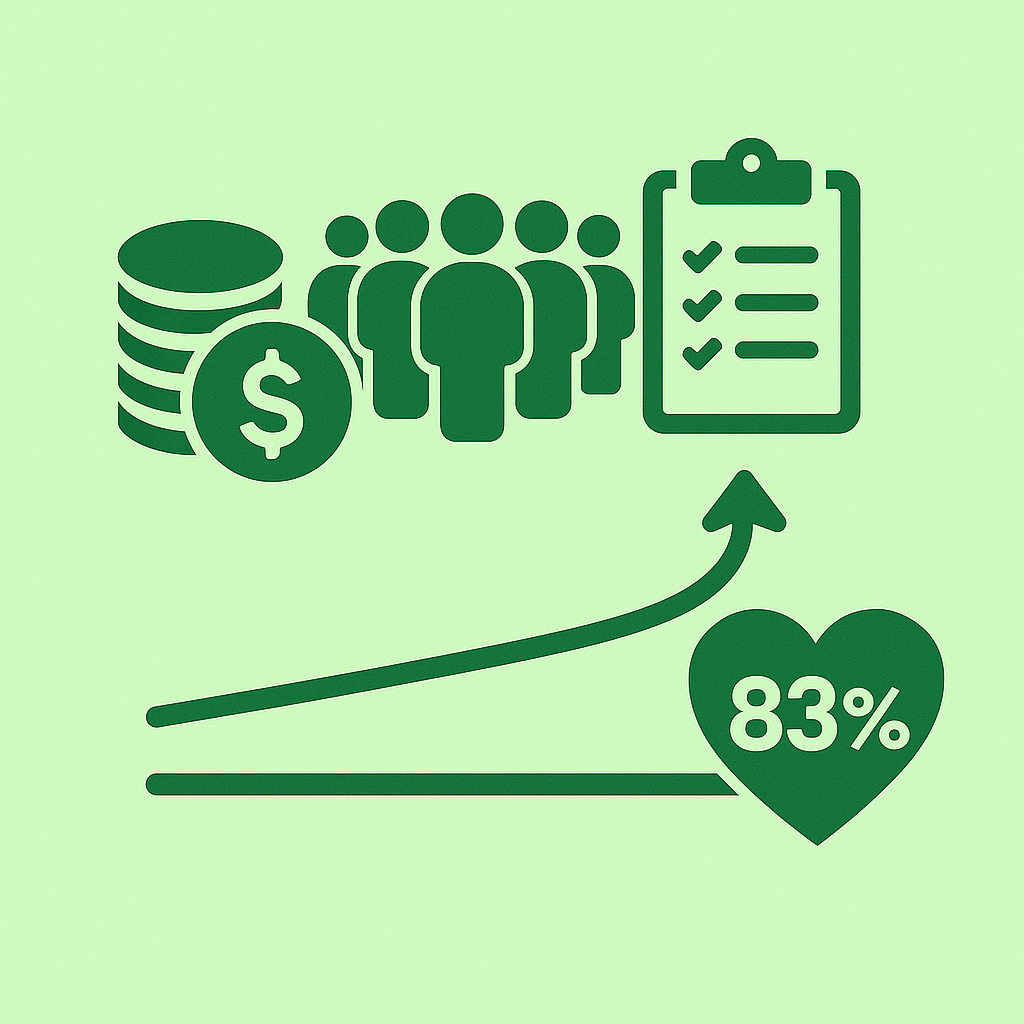
Childhood cancer five-year survival rates in Australia climb to roughly 83%.

2009 - Neuroblastoma Chemotherapy Improves Survival

Australian researchers contribute to studies of high-dose chemotherapy for neuroblastoma, improving survival rates.

2008 - Kids’ Cancer Project Funds Biobanking

Three years after Australian began formal tumour banking initiatives, the Oncology Children’s Foundation (now known as The Kids’ Cancer Project) invests $2.4 million over eight years to fund tumour banking. 
Tissue banking in childhood cancer enables secure storage of samples for future collaborative research, helping scientists better understand cancer biology and develop more effective treatments as new technologies and ideas emerge.

2007 - Imatinib Revolutionises Leukaemia Treatment

Targeted therapy with imatinib becomes standard care for chronic myeloid leukaemia (CML), revolutionising treatment with fewer side effects. Imatinib targets a fusion protein in a leukaemia cell, stopping cancerous cell growth. It is now the first course of treatment for CML.

2005 - $8M Investment in Gene Therapy

Col Reynolds and the Oncology Children’s Foundation (now named as The Kids’ Cancer Project) begins investing in research, with an initial $8 million investment that helps  to seed fund innovative research projects and the development of a Sydney-based gene therapy facility. It is the first time in Australia that a   facility of this kind has been created.

2000 - Leukaemia Precision Testing Introduced

Australia adopts molecular testing for childhood leukaemia, improving treatment precision.
Five-year survival rates for all childhood cancers are now at approximately 80% for Australian kids.

1999 - Childhood Cancer Survival Reaches 80%

Five-year survival rates for childhood cancer reach 80% in Australia.

1998 - Monoclonal Antibody Trials Start

The first clinical trials of monoclonal antibody therapies for neuroblastoma begin. These therapies target an antigen within neuroblastoma cells while leaving normal tissues unharmed. They also assist the immune system in identifying and attacking neuroblastoma cells while minimising damage to healthy tissue.

1995 - Radiation Therapy Becomes Safer

Advanced radiation therapy techniques are adopted in Australian clinics, reducing long-term side effects in childhood brain tumour survivors, including cognitive decline and hormonal imbalances. More precise radiation delivery methods allowed for targeted treatment of tumour tissues while sparing surrounding healthy brain structures, thereby reducing the risk of long-term complications.

1993 - The Kids’ Cancer Project Begins

Col Reynolds founds the Oncology Children’s Foundation, which is later named to the name still used today, The Kids’ Cancer Project. The OCF was initially focused on cancer care, improving the quality of life of a child while they received therapy.
Five-year survival rates at this time sit at approximately 73%. 
 

1986 - ANZCHOG Founded for Trial Access

The Australian and New Zealand Children's Haematology/Oncology Group (ANZCHOG) was founded allowing children to participate in experimental therapies. The Kids’ Cancer Project and ANZCHOG would later formally join forces in 2016.

1983 - Col Reynolds Visits Cancer Ward

Sydney bus driver Col Reynolds takes a wrong turn and ended up adjacent to the Sydney Children’s Hospital in Camperdown. He gave way at a crossing to two young, bald kids with cancer, which prompted him to park the bus and head inside.
It altered the course of his life, and our organisation, forever.

1983 - Australia Joins Global Cancer Trials

The world begins to collaborate in a bid to cure childhood cancer as Australia joins its counterparts by taking part in global clinical trials – all to improve childhood cancer treatments. Five-year survival rates of childhood cancer in Australia throughout the 1980s sits at approximately 65%.

1976 - Children’s Cancer Institute Established

The Children’s Cancer Institute (CCI) is founded, becoming the country’s first dedicated research institute for childhood cancer. Many CCI researchers and subsequent projects have been funded by The Kids’ Cancer Project.

1962 - First Paediatric Oncology Unit Opens

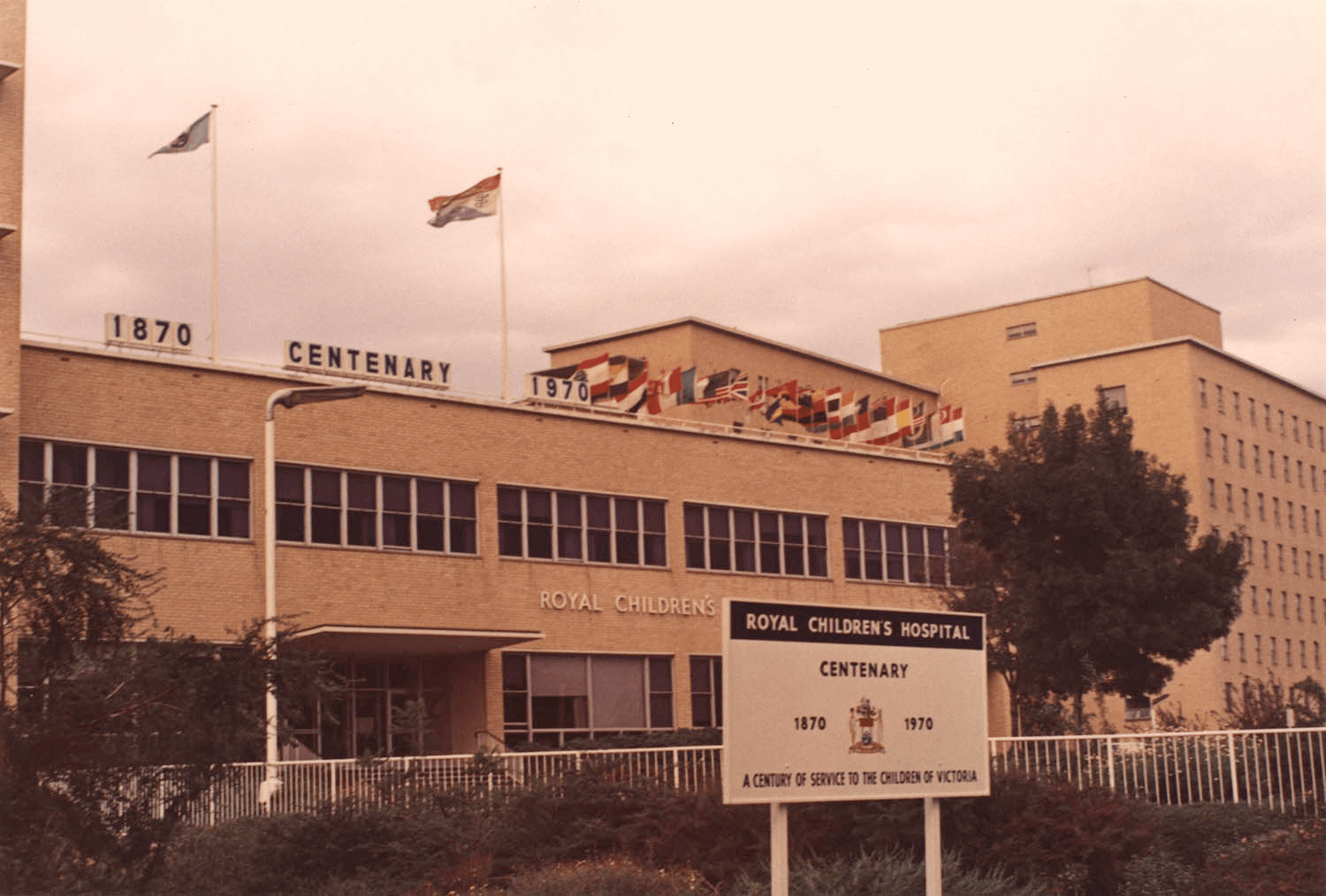
Australia’s first paediatric oncology unit is established at Melbourne’s Royal Children’s Hospital.

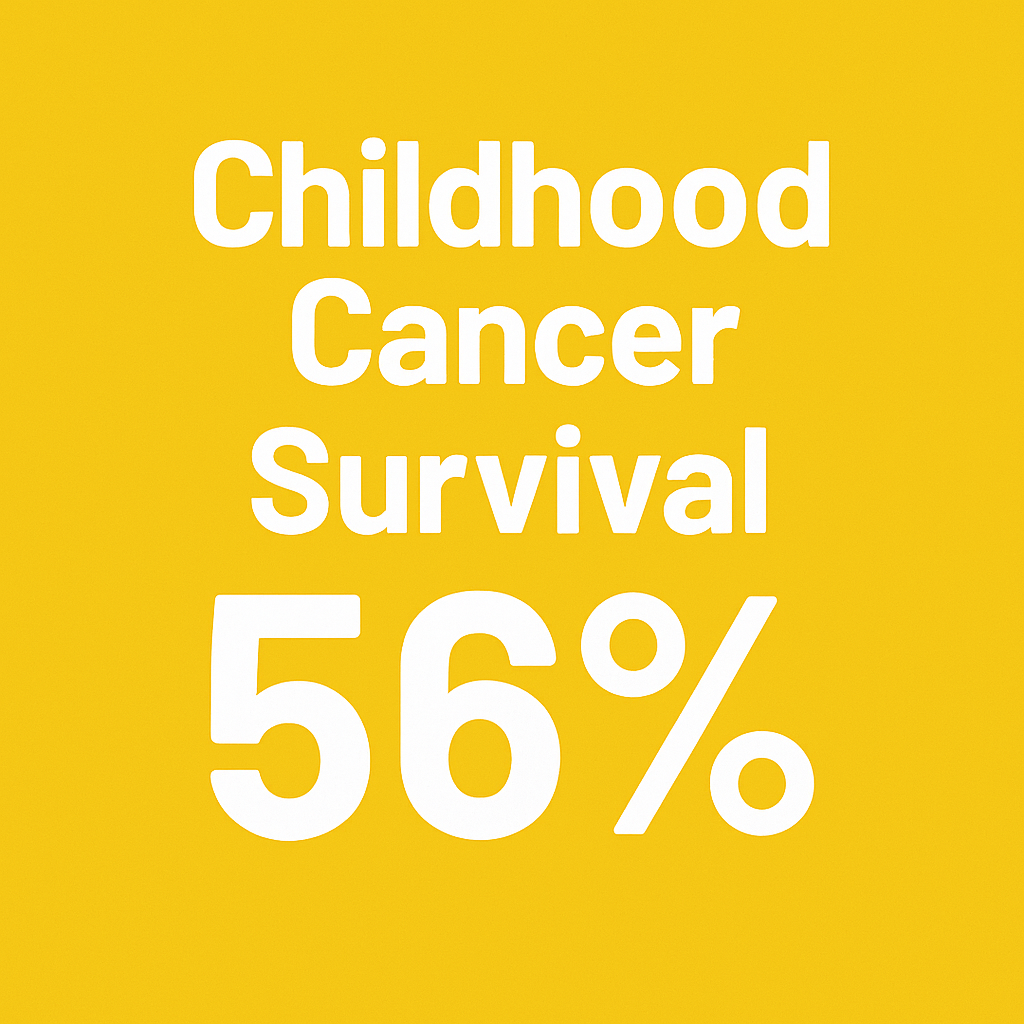
1960 - Childhood Cancer Survival at 56%

Five-year survival rates for childhood cancer sit at 56% in Australia.

1956 - First Childhood Bone Marrow Transplant

Haematologist Dr. E. Donnall Thomas performs the first successful bone marrow transplant (BMT) for a child with cancer in Cooperstown, New York. The child, who was diagnosed with leukaemia, received a transplant with bone marrow from their identical twin. BMT replaces damaged or diseased bone marrow with healthy stem cells, typically donated by a matching donor or family member.